




DMSMatrix highlights the implications of evolving EU import regulations for international sellers, online marketplaces and cross-border retail businesses.
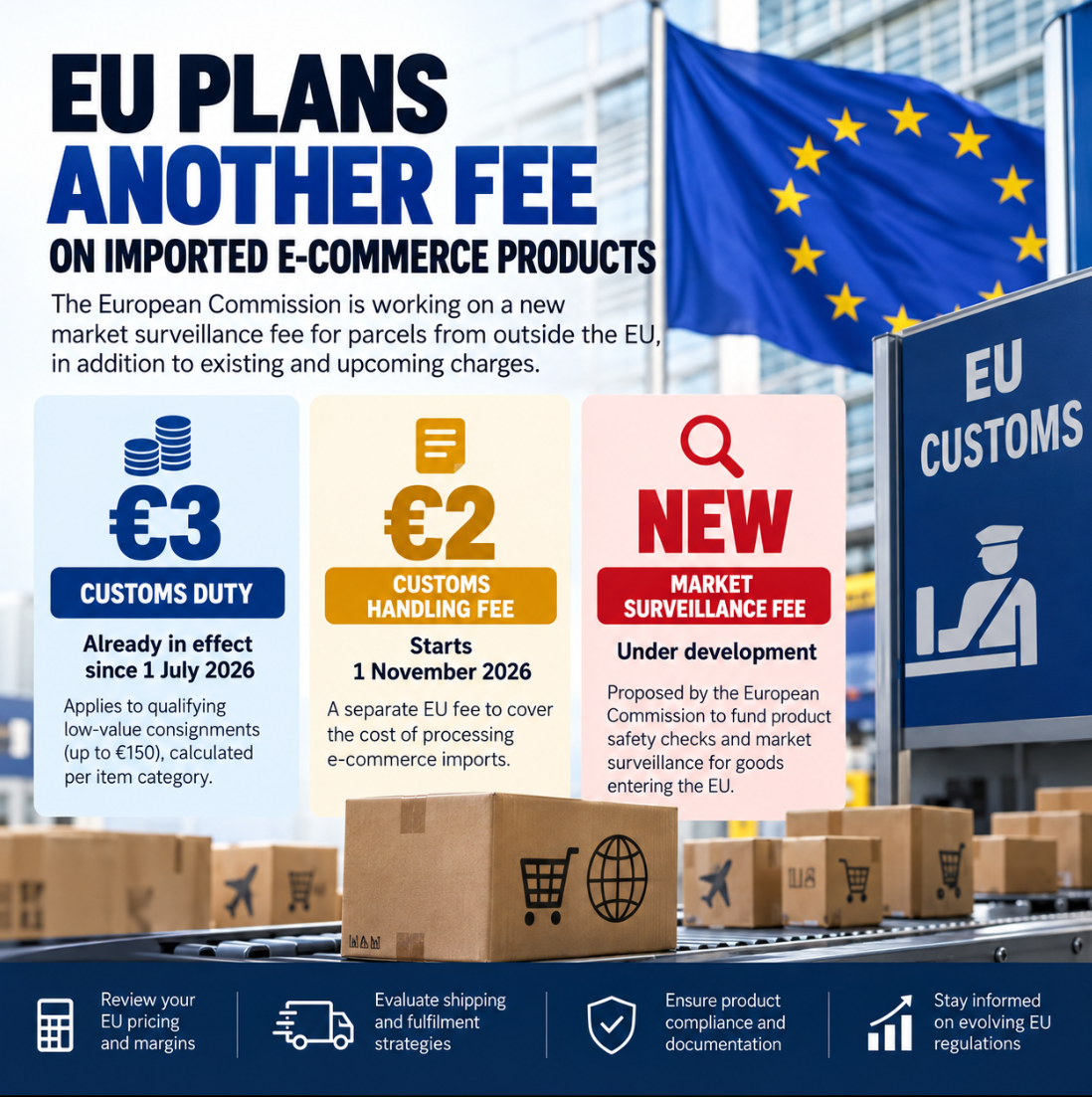
The European Commission is working on a proposed market surveillance fee for parcels arriving from outside the European Union, adding to a series of regulatory changes aimed at strengthening product safety controls and addressing the rapid growth of low-value e-commerce imports.
The proposed fee is intended to help fund product inspections and market surveillance activities, enabling authorities to identify unsafe or non-compliant products entering the European market. Its final amount, calculation method and implementation timeline remain subject to further clarification.
The development comes as the EU introduces significant changes to the customs framework governing cross-border online shopping and imports from non-EU countries.
Three Charges Sellers Need to Understand
International e-commerce businesses should distinguish between the existing customs duty, the forthcoming Union handling fee and the proposed market surveillance fee.
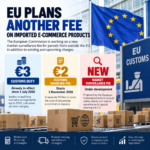
€3 Customs Duty: In Effect Since July 2026
Since 1 July 2026, the EU has applied a temporary €3 customs duty to qualifying low-value consignments worth up to €150. The duty is calculated according to the categories of goods in a parcel rather than simply applying once to every shipment.
The measure is designed to address the previous customs duty exemption for low-value imports and create a more consistent competitive environment for businesses selling into the EU.
€2 Union Handling Fee: Effective November 2026
A separate Union handling fee of €2 per distinct item is scheduled to take effect on 1 November 2026. The charge is intended to help cover the administrative and operational costs incurred by customs authorities when processing the growing volume of e-commerce imports.
The handling fee is separate from the €3 customs duty, and the two charges may apply to the same eligible shipment.
Proposed Market Surveillance Fee: Additional Costs Under Consideration
The European Commission is also working on a separate market surveillance fee intended to support product inspections and enforcement of EU product requirements.
Unlike the established customs duty and the announced handling fee, this additional surveillance measure remains under development. Its final structure and implementation details have yet to be established.
What the Changes Mean for Cross-Border Sellers
The evolving regulatory framework could have significant implications for businesses selling products to European consumers from outside the EU.
Additional import-related charges may increase operating costs, place pressure on profit margins and require sellers to reassess their pricing strategies. Businesses that rely on direct-to-consumer international shipping may need to pay particular attention to the cumulative impact of these measures.
The changes also reinforce the importance of product compliance, accurate customs documentation and effective supply chain management.
For marketplace sellers, understanding the responsibilities of sellers, platforms and logistics providers will be increasingly important as the EU continues to modernise its customs system.
Rethinking European E-Commerce Strategies
As European import regulations evolve, international businesses may need to reassess their fulfilment models and evaluate whether direct shipping, consolidated imports or local inventory arrangements best support their commercial objectives.
Sellers should also monitor official EU announcements to understand the final requirements and avoid making pricing or logistics decisions based on proposals that have not yet been finalised.
DMSMatrix supports businesses navigating international marketplace operations and cross-border e-commerce expansion. As regulatory requirements and operating costs change, access to effective marketplace management and a well-planned international growth strategy becomes increasingly important.
For businesses seeking to expand into European markets, staying informed about customs developments and product compliance requirements will be essential to maintaining competitiveness and building sustainable cross-border operations.
About DMSMatrix
DMSMatrix is a global e-commerce enablement platform supporting businesses with international marketplace expansion and operations. Its services include seller onboarding, marketplace listings, account management, inventory coordination, shipping and analytics, helping businesses manage their cross-border e-commerce activities.
Media Contact:
DMSMatrix
Website: www.dmsmatrix.com